AI in Digital Marketing: Smart Tool or Overhyped Trend in 2026?
May 20, 2026
Introduction
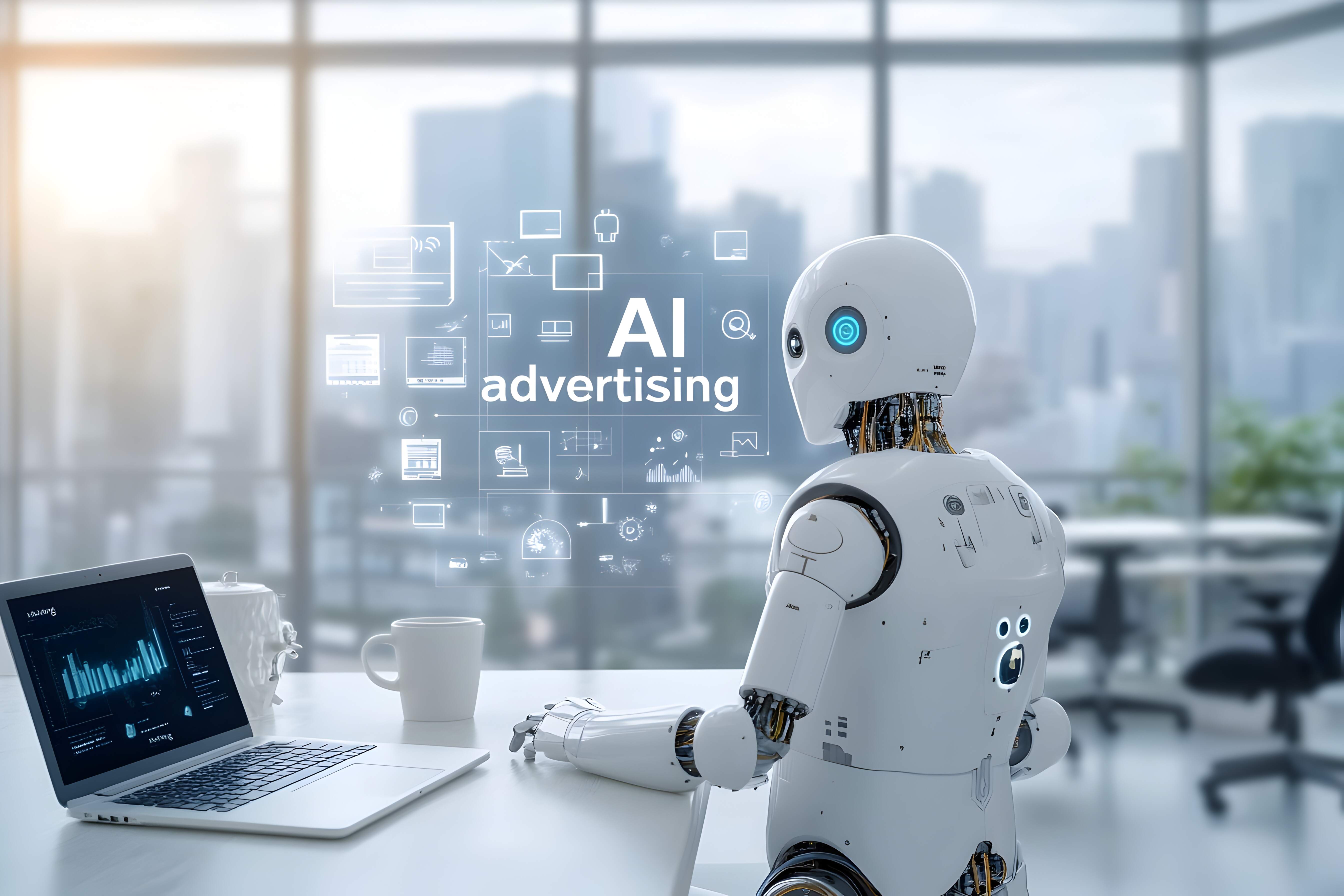
Artificial intelligence (AI) stands out as one of the most popular innovations in the digital world today. From creation of content to customer service and targeting ads, AI is playing a major role in how companies interact with their audience. With the help of AI, marketers can make their jobs easier, quicker, and more efficient.
But here arises the main issue. Is AI in digital marketing a practical innovation that makes a significant difference or simply another hype for 2026? It is not an easy question to be answered since the potential of AI is immense, but its effects depend on its usage.
What is AI in Digital Marketing?
Artificial intelligence in digital marketing is the application of machine learning and automated data analysis for enhanced marketing operations and decision-making. Through such approaches, companies will get a deeper understanding of customer behavior patterns to implement more successful marketing operations through automation.
It will enable organizations to generate content faster, analyze customer behavior patterns, develop targeted ad campaigns, automate customer interactions, and enhance personalization tactics. All these features increase the efficiency of marketing operations.
Currently, Google Ads, Meta Ads, and email marketing platforms are powered by artificial intelligence technologies that help to optimize the marketing process and achieve desired results.
Why AI is a Smart Tool in Digital Marketing
1. Faster Content Creation
AI-powered tools can create blogs, captions, emails, and advertisement copies in a matter of minutes. It helps in saving time and increasing productivity for marketers. Also, it plays a role in generating content on a regular basis for different social media platforms.
2. Better Audience Targeting
By analysing behaviours, interests, search queries, and activities, AI serves up targeted advertisements. This ensures precision in marketing campaigns and allows firms to minimize expenditure on ads while increasing conversion rates due to effective targeting methods.
3. Improved Data Analysis
Instead of conducting analysis manually, AI-based tools can quickly identify trends and performance insights. This enables marketing managers to make faster decisions and optimize campaigns using timely and accurate data.
4. Marketing Automation
Email follow-ups, chatbot responses, lead nurturing, and social media scheduling can be automated using AI technology. This helps save time for marketers and allows them to focus more on developing effective marketing strategies and optimizing campaign performance.
5. Personalization at Scale
Through AI, brands are able to offer personalized content, product recommendations, and advertisements to many users at once. This leads to better user engagement, improved customer experience, and higher conversion rates.
Why AI is Often Considered Overhyped
1. Lack of Human Creativity
AI-generated content can sometimes feel repetitive or lack the emotional depth that well-crafted human writing delivers. While it enables fast content production, it still cannot fully replicate the creativity, storytelling ability, and emotional appeal that human writers bring to marketing and communication.
2. Overdependence on Tools
AI in marketing can sometimes lead marketers to depend too heavily on automation tools while overlooking core strategy and creativity. This over-reliance may reduce originality, causing marketing campaigns and strategies to look similar across different brands and lose their unique identity.
3. Misleading Expectations
Although some think that AI is capable of replacing marketers, it actually just helps them make decisions. AI can collect data and propose solutions to marketers, but they need to think strategically about their plans and campaigns.
4. No Deep Brand Understanding
AI does not fully understand emotions, brand storytelling, or cultural context without human guidance. Since it works based on data patterns and trends, human intervention is essential to ensure that the content aligns with brand identity and truly resonates with the target audience.
AI vs Human Marketing: The Reality
The use of AI increases efficiency, accuracy, speed, and data-driven decisions in digital marketing. Nevertheless, people bring imagination, emotional intelligence, storytelling skills, and strategic thinking that AI lacks.
The true effectiveness of digital marketing comes from utilizing AI for automation and analysis while leaving creative and strategic decisions to humans. This creates a winning combination.
AI + Human Intelligence = Effective Digital Marketing
Future of AI in Digital Marketing (2026 and beyond)
The development of AI technology will not stop. However, it will act more as an assistant and less as a competitor to humans. The role of AI is to enhance the capabilities of marketers through efficiency, better decision-making, and greater insight generation. Companies that manage to effectively use AI technology and human intelligence will dominate the market environment.
Key future trends include:
Hyper-personalized advertising that targets users based on real-time behaviour and preferences AI-driven customer journeys that guide users seamlessly from awareness to conversion Predictive marketing strategies that forecast customer needs and actions in advance Smarter automation tools that improve campaign performance while reducing manual effort
Conclusion
The use of artificial intelligence in digital marketing is not just hype. It is a highly intelligent system that is transforming the industry by enabling faster processes, greater accuracy, and improved marketing efficiency. However, its true potential is realized only when it is combined with human creativity and critical thinking.
Instead of asking whether AI will replace marketers, the better question is: “How can marketers use AI to work smarter, improve decision-making, and achieve faster business growth in a competitive digital landscape?”